Let’s be honest: every generation of kids eventually grows up and says some version of, “Why did you do that?” Sometimes they’re right. Sometimes they’re dramatic. But usually… there’s a little truth sitting under the eye-roll.
This article isn’t here to shame parents. Parenting is hard, and most of us are doing the best we can with the tools we have. But it is helpful to look at the habits we’ve normalised especially the ones that feel small now but might feel big to our kids later.
So here are five parenting habits our kids will probably call us out on, plus simple, practical alternatives you can start using right away.
1) “You were always on your phone.”
This one hurts because it’s so easy to slip into. You’re not even doing anything “bad”—you’re checking a message, paying a bill, looking up a recipe, answering an email. But from a child’s point of view, it often looks like this:
“I’m talking, and you’re half here.”
Kids don’t need constant attention. But they do need moments where they feel like they are more important than whatever is happening on a screen.
What to do instead (simple, realistic)
- Choose one phone-free anchor time: dinner, bedtime routine, school pick-up, or the first 20 minutes after work.
- Do the “eyes first” rule: look at your child first, then your phone. Even 5 seconds of full attention changes everything.
- Name it when you slip: “Sorry, my phone stole my attention. I’m listening now.” That repair matters.
Tiny goal: Not “never use your phone,” but “don’t make your child compete with it.”
If screen boundaries are a constant battle in your home, you might like our guide on teaching digital self-control (not just controlling screens).
2) “You cared too much about what other people thought.”
This shows up in sneaky ways:
- “Don’t do that, people are watching.”
- “Stop crying, you’re embarrassing me.”
- “Say hi properly—be polite.”
- “What will they think if you behave like that?”
Most of us were raised this way. It’s often meant to teach respect. But kids can internalise it as:
“My feelings matter less than looking ‘good.’”
And when children learn to perform for approval, they can struggle with boundaries, confidence, and people-pleasing later.
What to do instead
- Prioritise dignity over image: “You’re upset. Let’s step outside for a minute.”
- Separate manners from emotions: “You can feel angry. You still can’t hit.”
- Teach ‘public skills’ without shame: “We’ll try again. Let’s practise.”
Tiny goal: Raise a child who behaves well because they understand respect not because they fear judgement.
3) “You didn’t apologise when you were wrong.”
This one will absolutely come back around.
Not because kids want to win, but because they notice hypocrisy fast:
- “Don’t shout!” (while we shout)
- “Say sorry!” (while we don’t)
- “Be respectful!” (while we speak harshly)
When parents refuse to apologise, children often learn either:
- “Adults don’t have to be accountable,” or
- “I shouldn’t admit fault either.”
What to do instead
Apologise in a way that keeps your authority but builds trust:
A good parent apology sounds like:
- “I raised my voice. That wasn’t okay.”
- “You didn’t deserve that tone.”
- “Next time I’ll take a breath and try again.”
- “Let’s reset.”
No long speeches. No over-explaining. Just honest repair. If you want more scripts like these, parent-communication books like How to Talk So Kids Will Listen & Listen So Kids Will Talk can be helpful.
Tiny goal: Your child learns, “In this family, we own our mistakes.”
4) “You punished the emotion instead of the behaviour.”
Kids will remember times they were told things like:
- “Stop crying or I’ll give you something to cry about.”
- “You’re being dramatic.”
- “You’re too sensitive.”
- “Calm down!” (when they physically can’t yet)
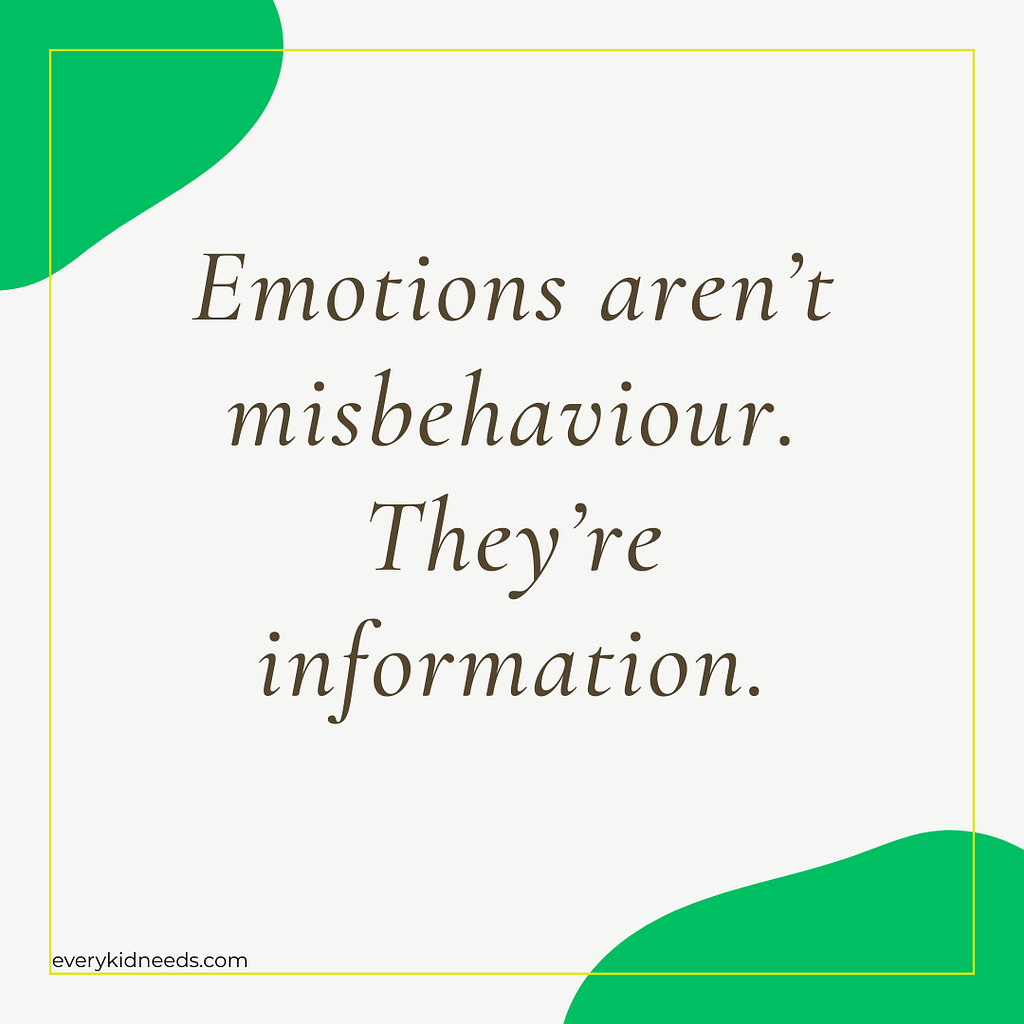
Emotions aren’t misbehaviour. They’re information. But kids need help learning what to do with big feelings.
When we punish emotions, children often learn to:
- hide their feelings,
- explode later,
- or believe their feelings are “wrong.”
What to do instead
Use the simple two-step approach:
- Name the feeling: “You’re angry. You really wanted that.”
- Hold the boundary: “And we’re still leaving / the answer is still no.”
Then teach the skill: breathing, walking away, squeezing a pillow, using words, asking for space. Also, emotion cards can help kids name what they feel when they don’t have the words yet.
Tiny goal: Your child learns, “My feelings are safe here, even when my behaviour needs correcting.”
5) “You tried to fix everything instead of letting me struggle.”
This one comes from love. You don’t want your child to hurt, fail, or feel disappointed. So you rush in:
- emailing the teacher,
- solving the friendship issue,
- rescuing homework,
- smoothing every rough edge.
But later, kids may look back and say:
“I didn’t learn how to handle hard things.”
A child who never struggles doesn’t build resilience. They build dependence.
What to do instead
Try support, not rescue:
- Ask: “Do you want help, or do you want me to listen?”
- Let them try first, then step in.
- Break problems into small steps:
“What’s the first thing you can do right now?”
And when they fail:
- “That was hard. What did you learn?”
- “What would you do differently next time?”
Tiny goal: Raise a child who trusts themselves not just you.
The Real Point (And It’s Not Perfection)
If you’re reading this thinking, “I’ve done all five,” welcome to the parent club.
The goal isn’t to become a flawless parent. It’s to notice patterns early and choose better ones when you can. Most parenting “damage” doesn’t come from one bad day. It comes from repeated habits that never get repaired.
And the good news is: repairs work.
Even small changes like phone down at dinner, one genuine apology, one moment of empathy plus a boundary can shift the emotional tone of a home.
Quick Reflection (save this)
If your child called you out on one thing today, which would it be?
- Phone attention
- Caring too much what others think
- Not apologising
- Punishing emotions
- Rescuing too quickly
Pick one habit to work on this week. Just one.
That’s realistic parenting. That’s growth. And that’s how you raise kids who will still want to talk to you when they’re older.