
In today’s fast-paced world, even children are not immune to stress and anxiety. Mindfulness, once a practice associated mostly with adults, is proving to be remarkably beneficial for children too. Research and expert opinions support the integration of mindfulness into children’s routines to enhance their emotional and mental health. Here’s how mindfulness can make a difference, backed by science, and some simple techniques to get started.
The Benefits of Mindfulness for Children
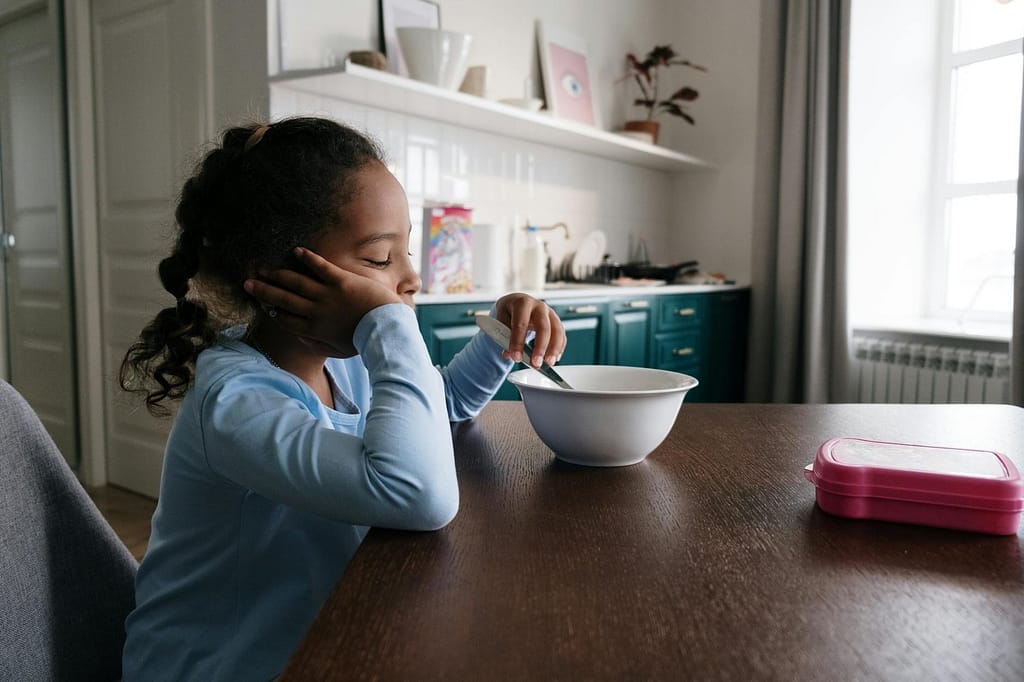
Mindfulness involves being aware of our thoughts, emotions, and sensations in the present moment, without judgment. This practice can significantly improve children’s emotional regulation, reduce anxiety, and enhance their overall well-being.
- Improves Attention and Concentration: A study published in the journal Developmental Psychology found that children who underwent mindfulness training showed improvements in attention and cognitive control, which are critical for academic success.
- Reduces Stress and Anxiety: According to research by the University of California, Los Angeles (UCLA), mindfulness exercises can lower stress and anxiety levels in children by helping them manage their reactions to stressful situations more calmly and effectively.
- Enhances Emotional Regulation: The Journal of Child and Family Studies reported that children who practice mindfulness exhibit fewer emotional outbursts and improved behaviour. Mindfulness helps them recognise their feelings, giving them space to choose how to express emotions constructively.
Simple Mindfulness Techniques for Children
Introducing mindfulness to children can be both fun and effective. Here are a few techniques tailored for young minds:
- Mindful Breathing: Teach children to focus on their breath. They can count their breaths or notice the sensation of air moving in and out of their nostrils. This simple exercise, which can be done anywhere and anytime, helps calm the mind and brings children back to the present moment.
- Tip: Use fun metaphors like “imagine smelling a flower and then blowing out a candle” to make the experience relatable and engaging for younger kids.
- Body Scan: This involves paying attention to parts of the body and bodily sensations in a gradual sequence from head to toe. It promotes awareness of the body and helps kids understand the physical manifestations of stress.
- Activity: Have children lie down and slowly move their focus from one part of the body to another, asking them to relax each part as they go.
- Mindful Listening: This exercise involves listening to sounds in the environment or to specific music with full focus. It helps enhance auditory processing skills and the ability to focus on one thing at a time.
- Game: Play a game of “musical statues” with mindfulness, where children freeze when the music stops and focus on the last sound they heard.
- Mindfulness Walks: Take children on walks where the focus is on observing everything around them—the sights, the sounds, and the smells. It’s a great way to connect with nature while practicing mindfulness.
- Exploration: Encourage them to notice things they haven’t seen before, even in familiar environments
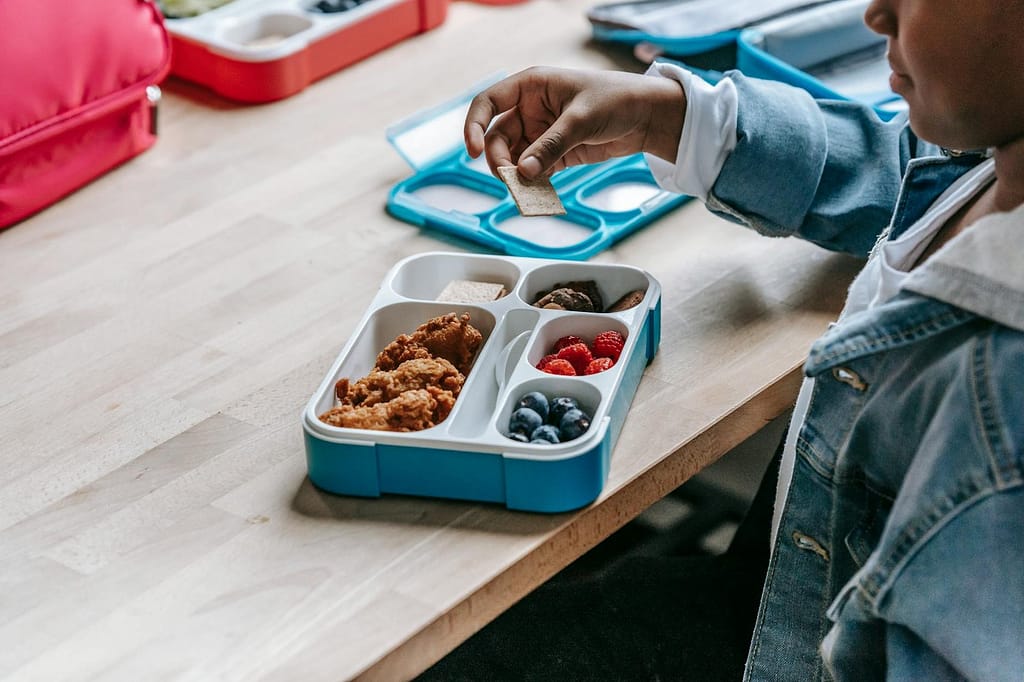
- Mindful Eating: This involves eating slowly and savouring each bite, which can turn daily meals into a mindfulness practice. It encourages appreciation of food and can help prevent overeating.
- Practice: Start with a small snack and ask children to eat it slowly, describing the textures and flavors they notice.
Implementing Mindfulness in Daily Routines
Start with short sessions—a few minutes is enough—and gradually increase the duration as children get more comfortable with the practice. The key is consistency. Regular practice enhances the benefits and helps children learn to apply mindfulness to stressful situations in their everyday lives.
Mindfulness is a powerful tool for developing resilience, emotional intelligence, and happiness in children. By incorporating these simple techniques, parents and educators can provide children with the skills they need to navigate their emotional landscapes effectively, fostering a generation that is both mindful and compassionate.