Let’s be honest – talking about periods with your child can feel a little… awkward. Especially if you grew up in a home where the subject was whispered or brushed aside. But the truth is, starting the conversation early, before puberty hits, can make a world of difference.
And no, this isn’t about overwhelming your child with biology lessons. It’s about bonding, building confidence, trust, and emotional safety.
So, let’s break it down together like we’re chatting over coffee, swapping stories, and making sense of how to raise strong, informed kids.
Why Early Conversations Matter
Kids today are growing up fast. By age 8 or 9, many children are already seeing puberty signs. Some girls start their period as early as 9 or 10. Imagine going through that with zero preparation… it’s scary, confusing, and lonely.
Starting the conversation early gives your child a roadmap. They won’t be caught off guard. Instead, they’ll know, “Oh, this is normal. I’ve got this.”
And here’s something else: when we open up these conversations early, we send a strong message – “You can talk to me about anything.” That trust carries through teenage years and beyond.
“But Isn’t It Too Soon?”
Not at all.
The American Academy of Pediatrics recommends starting puberty education as early as 8. That doesn’t mean giving a full biology lecture. It just means age-appropriate, honest talk.
Here’s what it could sound like:
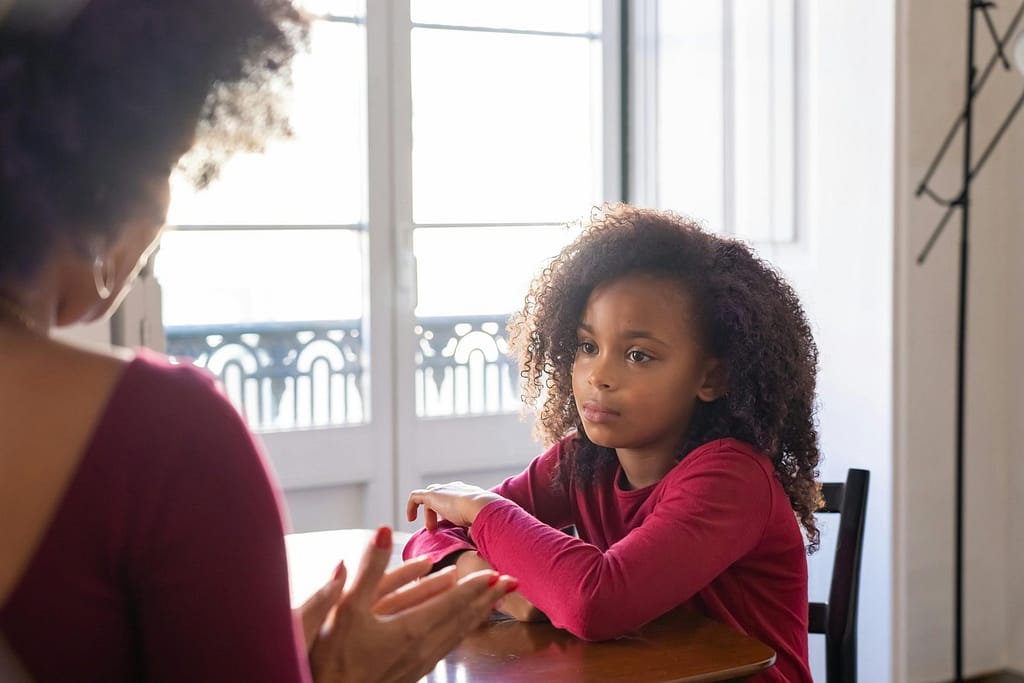
“You know how your body is growing? Soon, it will start to do some new things like get a period. It might feel weird at first, but it’s totally normal and part of growing up.”
Simple. Clear. No big deal.
How to Talk About Periods Without the Weirdness
You don’t need a script but a few tips can help:
1. Use the Right Words
Say “period” instead of “time of the month” or other euphemisms. Normalising language is powerful.
2. Answer Questions Honestly
If they ask “Where does the blood come from?” don’t panic. Give a calm, age-appropriate answer. It builds trust.
3. Involve All Genders
Yes boys need to learn about periods too. Understanding what girls go through promotes empathy, reduces shame, and helps them be better friends, brothers, and future partners.
4. Let It Be Ongoing
This isn’t a one-time “talk.” Keep it casual, frequent, and open. Mention it when shopping, watching a show, or organizing bathroom supplies.
What If You Feel Unprepared?
Totally normal.
Many of us didn’t get this kind of guidance from our parents. You’re learning while teaching and that’s okay. There are amazing tools that can help:
- Books like “Celebrate Your Body (And Its Changes, Too!)” or “The Care and Keeping of You”
- Apps like Clue or Flo for older tweens
- Videos by educators like Nadine Thornhill or Dr. Lisa Damour
You can learn together and that’s a beautiful bonding experience.
Real Talk: What Kids Worry About Most
Here’s what kids often fear before their first period:
- “What if it happens at school?”
- “Will it hurt?”
- “Will people see blood on my clothes?”
- “Is something wrong with me?”
Let them know:
- It’s okay to feel nervous.
- You’ll help them be prepared with pads in their backpack, a change of clothes, and a plan.
- No, it doesn’t hurt like an injury but cramps can happen (and you can help them manage it).
Reassurance is key.
Small Things That Make a Big Difference
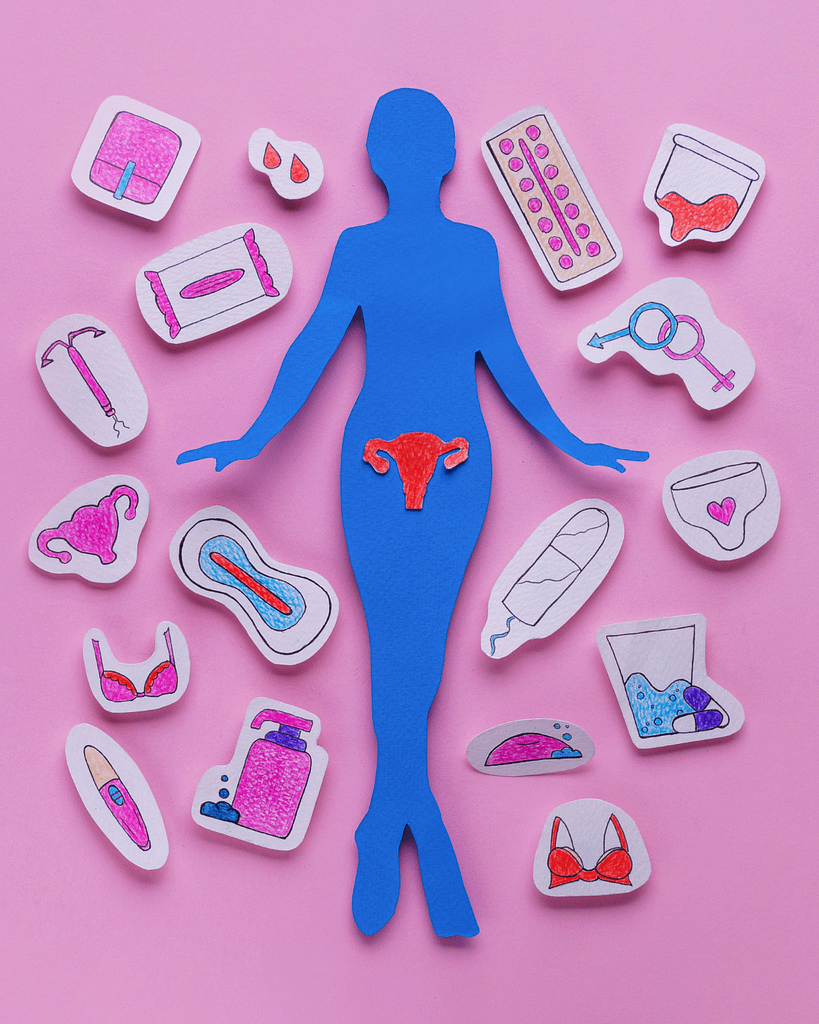
- Create a period kit: Include pads, wipes, a small pouch, and a note reminding them you’ve got their back.
- Share your own experience (as much as you’re comfortable). Kids love knowing you went through this too.
- Listen more than you speak. Sometimes, they just want to be heard.
Final Thoughts
You don’t have to get it perfect. Just show up, stay open, and be willing to learn with your child.
Talking about periods early helps raise kids who aren’t ashamed of their bodies but who understand, respect, and care for them. It’s one of the simplest but most powerful gifts we can give as parents.
So, here’s your nudge: Don’t wait for the school to do it. Start the conversation this week even if it’s short and sweet.
You’ve got this.