As parents, we all have moments when our patience is tested. Whether it’s a toddler throwing a tantrum in the cereal aisle or a preteen talking back at the dinner table, discipline is one of the biggest challenges in parenting. But here’s the good news: discipline doesn’t have to mean punishment. In fact, yelling and harsh consequences can often make things worse.
According to the American Academy of Pediatrics (2018), harsh verbal discipline is associated with increased behavioural problems and emotional distress in children. The good news? There are proven, positive discipline strategies that promote cooperation, respect, and long-term learning.
Let’s explore 10 powerful strategies that actually work—no yelling required.
1. Set Clear Expectations
Children thrive on structure. Clearly explaining rules and what is expected reduces confusion and provides a sense of security.
- Expert tip: Dr. Laura Markham, psychologist and founder of Aha! Parenting, recommends framing expectations positively, like “We use kind words” instead of “Don’t be rude.”
2. Use Natural and Logical Consequences
Rather than punishing, let children experience the natural consequences of their actions (e.g., if they forget their homework, they face the teacher’s response).
- Logical consequences are directly related to the misbehaviour. For example, if a child draws on the wall, the consequence might be helping to clean it.
- Research insight: According to the Center for Parenting Education, logical consequences help children see the impact of their behaviour without feeling shamed.
3. Offer Choices to Empower
Giving children limited choices helps them feel respected and more in control.
- Example: “Would you like to brush your teeth before or after your pyjamas?”
- Psychological basis: Research shows that children are more cooperative when they feel a sense of autonomy (Deci & Ryan, 2000).
4. Stay Calm and Consistent
Your response sets the tone. Yelling often escalates conflict, while calm, consistent responses foster trust and teach emotional regulation.
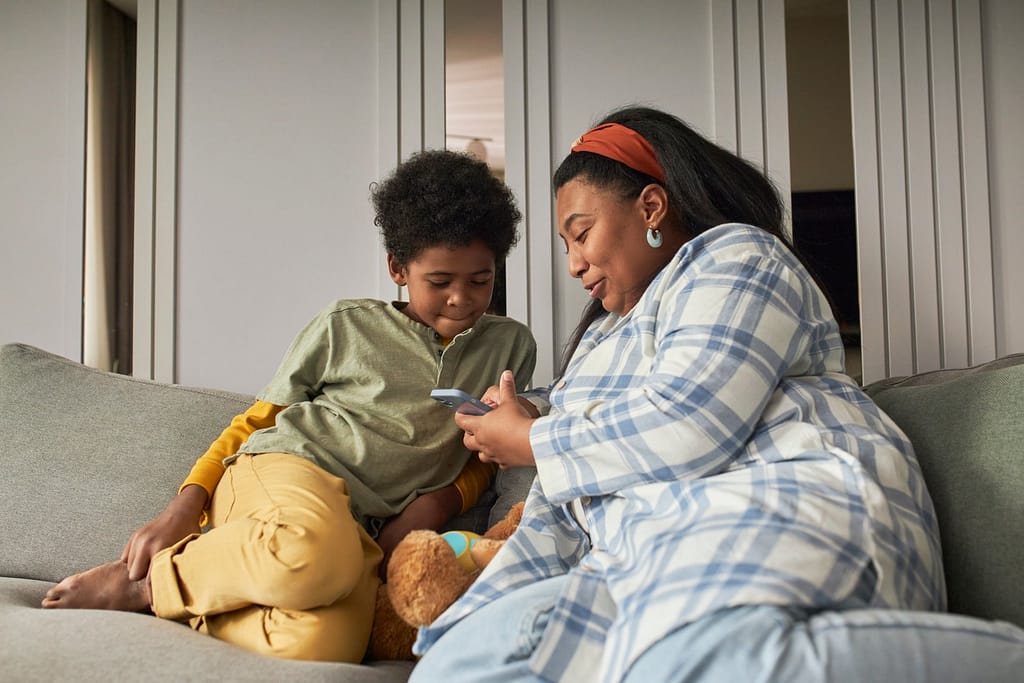
Parenting research: A study in Development and Psychopathology (2014) found that parents who maintained emotional control had children who were more emotionally resilient.
5. Use Time-In Instead of Time-Out
Instead of isolating a child when they misbehave, invite them to a calming space to sit with you until they regulate their emotions.
- Dr. Daniel Siegel, co-author of The Whole-Brain Child, suggests this promotes emotional connection and teaches self-regulation rather than shame.
6. Praise the Behaviour You Want to See
Catch your child doing something good and name it: “I noticed you shared your toy with your sister. That was kind!”
- Science-backed insight: A study in Child Development (2017) found that labeled praise is more effective than general praise in reinforcing behaviour.
7. Use Emotion Coaching
Help your child name and understand their feelings. “You’re feeling really frustrated because your blocks fell over. That makes sense. Let’s try again together.”
- Expert opinion: Emotion coaching, coined by Dr. John Gottman, helps children develop better emotional regulation and fewer behavioural issues.
8. Have Routine Family Meetings
Use weekly check-ins to talk about what’s working and what’s not. Let children contribute to the rules and problem-solving.
- Why it works: According to Positive Discipline founder Jane Nelsen, children are more likely to follow rules they helped create.
9. Teach Problem-Solving Skills
Instead of jumping to punishment, walk your child through what happened and how it could be handled better next time.
- Use phrases like: “What do you think you could do differently next time?”
- Benefit: Builds critical thinking and ownership of behaviour.
10. Model the Behaviour You Want
Children learn more from what we do than what we say.
- If we manage frustration calmly, apologise when we make mistakes, and treat others with kindness, they will too.
- Statistical note: The CDC states that modelling is one of the strongest tools for teaching behaviour to young children.
So, Let’s Wrap Up
Positive discipline isn’t about being permissive. It’s about guiding children with respect, empathy, and consistency. These strategies help children build self-discipline, emotional intelligence, and strong moral character—without fear or yelling.
By focusing on connection before correction, you’re not just managing behaviour. You’re building a relationship that lasts a lifetime.
Which of these strategies are you willing to try? And if you are already using any of these strategies, how effective has it been?
Sources:
- American Academy of Pediatrics. (2018). Effective Discipline to Raise Healthy Children.
- Markham, L. (Aha! Parenting)
- Center for Parenting Education
- Deci, E.L., & Ryan, R.M. (2000). The “what” and “why” of goal pursuits: Human needs and the self-determination of behaviour.
- Siegel, D. & Bryson, T. (2011). The Whole-Brain Child.
- Child Development Journal (2017). Praise and Child Behaviour.
- Gottman, J. (1997). Raising an Emotionally Intelligent Child.
- Nelsen, J. (Positive Discipline)
- Centers for Disease Control and Prevention (CDC)
- Image by freepik