
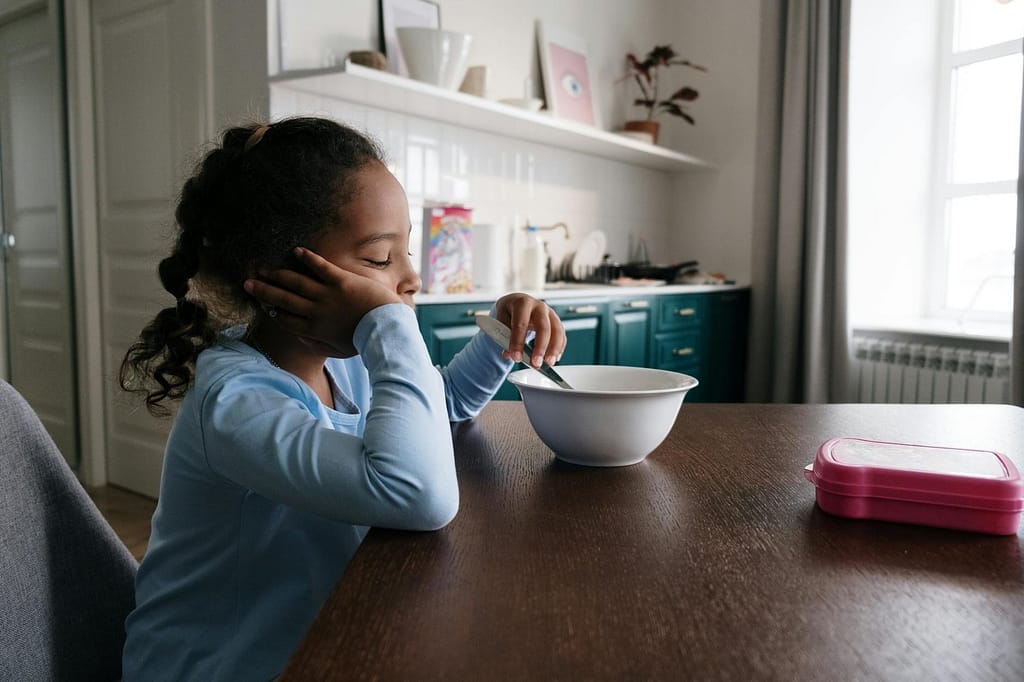
If you have a picky eater at home, you already know mealtime can feel like a daily test of patience.
One child wants only plain pasta. Another suddenly decides the chicken they loved last week is now “disgusting.” Someone refuses anything green, and the meal you carefully made gets examined like it is a science experiment.
It can be frustrating, tiring, and discouraging.
But here is the good news: picky eating is common, and it does not mean healthy family meals are out of reach. With a little patience, simple strategies, and realistic expectations, you can make mealtimes feel less stressful and more enjoyable for everyone.
The goal is not to make every child eat everything on the plate. The goal is to create a calmer, healthier relationship with food over time.
Why Picky Eating Happens
Picky eating is often about more than taste. For many children, food is tied to texture, smell, color, routine, and comfort.
Some kids dislike foods that are mixed together. Others prefer crunchy foods over soft foods. Some want familiar meals because familiar feels safe. This is why pressuring children to eat often makes the situation worse instead of better.
When mealtime becomes a battle, children may become even more resistant. A gentler approach usually works better. Kids often need repeated exposure to a new food before they are willing to try it. Sometimes they need to see it on the plate many times before they feel comfortable enough to taste it.
That is normal.
Picky Eater Tips That Actually Help
Keep One Safe Food on the Table
A safe food is something your child usually accepts without much fuss, such as rice, bread, fruit, yogurt, or pasta.
This does not mean making separate meals. It simply means including one familiar item alongside the rest of the meal. That small sense of comfort can make children feel less overwhelmed.
Serve Tiny Portions of New Foods
Large portions of unfamiliar food can feel intimidating to children. A tiny amount is much easier to accept.
Try offering one broccoli floret, one spoonful of beans, or one slice of roasted carrot. Small portions reduce pressure and waste.
Let Kids Help with Food Preparation
Children are often more willing to try foods they helped prepare.
Let them wash grapes, stir batter, sprinkle cheese, arrange fruit, or help build wraps. Even if they do not eat the food right away, they are becoming more familiar with it.
Avoid Pressure, Bribes, and Threats
It is tempting to say, “Just take three bites,” or “You can have dessert if you eat your vegetables.” But this often increases stress around food.
Keeping the tone relaxed helps children feel safer at the table.
Stick to Simple Mealtime Routines
Children usually do better with predictable meal and snack times. When they snack all day, they may not come to dinner hungry.
A simple routine can make a big difference in how willing they are to eat.
Accept Slow Progress
One bite today and none tomorrow does not mean you are failing. Progress with picky eaters is often slow and uneven.
Sometimes success looks like touching a new food, smelling it, or letting it stay on the plate. Those are still steps forward.
What Healthy Family Meals Really Look Like
Healthy family meals do not have to be elaborate or perfect. They can be simple, balanced, flexible, and realistic.
A healthy meal can include:
- a protein
- a grain or starch
- a fruit or vegetable
- a dip, sauce, or topping
- one safe food your child usually eats
That might look like grilled chicken, rice, cucumber slices, fruit, and yogurt sauce. It might be scrambled eggs, toast, berries, and avocado. It could be tacos with different fillings served separately so each child can build their own plate.
Healthy family meals work best when they are practical enough for real life.
Easy Ways to Make Healthy Meals More Picky-Eater Friendly
Serve Foods Separately
Some children are more comfortable when foods are not mixed together. Instead of casseroles or heavily combined meals, try serving ingredients separately.
For example, offer pasta, sauce, chicken, and broccoli in separate sections rather than all stirred together.
Use Build-Your-Own Meals
Build-your-own meals are one of the easiest ways to reduce mealtime struggles. They allow children to feel some control while still eating from the same meal as the rest of the family.
Good options include:
- taco bowls
- rice bowls
- baked potato bars
- yogurt parfaits
- pasta bowls
- wraps
Add Dips and Toppings
A simple dip can make familiar or new foods more appealing.
Try hummus, plain yogurt dip, guacamole, ketchup, or mild salsa. A small dipping option adds interest without much effort.
Repeat Meals Without Guilt
You do not need a brand-new dinner plan every night. Repeating simple meals can actually help picky eaters feel more secure and can make your weekly routine easier.
Healthy Family Meal Ideas for Picky Eaters
Here are a few simple family-friendly meal ideas:
Breakfast for Dinner
Scrambled eggs, toast, turkey sausage, sliced fruit, and cucumber sticks.
Taco Night
Soft tortillas, seasoned chicken or beans, rice, shredded cheese, avocado, corn, and lettuce served in separate bowls.
Pasta Your Way
Plain pasta, sauce on the side, grilled chicken, steamed broccoli, and fruit.
Snack Plate Dinner
Cheese cubes, crackers, turkey slices, apple wedges, carrots, and hummus.
Baked Potato Bar
Baked potatoes with cheese, shredded chicken, beans, corn, broccoli, and Greek yogurt.
Rice Bowl Night
Rice, grilled protein, cucumber slices, roasted vegetables, avocado, and a mild sauce.
Recipe Templates for Busy Families
These easy recipe templates make healthy family meals feel much more manageable.
Build-Your-Own Rice Bowl Template
Base:
Rice, brown rice, quinoa, or couscous
Protein:
Chicken, ground turkey, shredded beef, beans, tofu, or eggs
Veggies:
Cucumber, carrots, corn, peas, roasted sweet potatoes, broccoli, or peppers
Toppings:
Cheese, avocado, seeds, or plain yogurt
Sauce:
Teriyaki, mild salsa, garlic yogurt sauce, or olive oil and lemon
Tip:
Serve each ingredient separately so children can choose what feels comfortable.
Easy Sheet Pan Dinner Template
Choose one protein:
Chicken, sausage, salmon, tofu, or meatballs
Choose two vegetables:
Broccoli, carrots, potatoes, green beans, cauliflower, or zucchini
Add flavor:
Olive oil, garlic powder, paprika, Italian seasoning, salt, and pepper
Tip:
Roast everything on one tray, but keep ingredients separated for kids who dislike mixed foods.
Family Pasta Template
Pasta:
Any shape your child likes
Protein:
Chicken, turkey meatballs, lentils, or beans
Veggies:
Peas, spinach, grated carrots, zucchini, or broccoli
Sauce options:
Marinara, butter and parmesan, pesto, or olive oil
Tip:
Let children keep their pasta plain if needed and offer sauce on the side.
Healthy Wrap or Quesadilla Template
Base:
Whole wheat tortilla, tortilla, or flatbread
Fillings:
Cheese, chicken, black beans, scrambled eggs, spinach, corn, or peppers
Serve with:
Fruit, cucumber sticks, yogurt dip, or a side salad
Tip:
Start simple with cheese only, then slowly add other ingredients over time.
Snack Plate Template
Pick 1 protein:
Boiled eggs, cheese, turkey slices, hummus, or yogurt
Pick 1 grain:
Crackers, toast, pita, or mini pancakes
Pick 2 fruits or vegetables:
Apples, grapes, strawberries, cucumbers, carrots, or cherry tomatoes
Pick 1 extra:
Pretzels, popcorn, or a small homemade muffin
Snack plates are especially helpful on busy nights when everyone is tired.
Shopping Tips for Families With Picky Eaters
Grocery shopping is much easier when you plan around flexibility instead of perfection.
Buy Ingredients You Can Use in Multiple Meals
Choose ingredients that work across several meals during the week.
For example:
- cooked chicken can be used in wraps, pasta, rice bowls, or quesadillas
- cucumbers can go into lunchboxes, snack plates, or bowls
- cheese can be used in tacos, potatoes, eggs, or pasta
This helps reduce waste and makes meal prep easier.
Keep Reliable Favorites on Hand
Always stock a few foods your child usually accepts, such as:
- yogurt
- bread
- fruit
- pasta
- rice
- eggs
- cheese
- crackers
These foods can round out meals without requiring you to cook separately for everyone.
Do Not Overbuy Fresh Produce
It is better to buy a realistic amount of produce than to fill your fridge with good intentions that go unused.
Frozen fruits and vegetables are a great option because they last longer and are easy to keep on hand.
Let Kids Pick One Fruit and One Vegetable
When shopping, let your child choose one fruit and one vegetable for the week.
That small bit of ownership can help them feel more involved and curious.
Prep a Few Foods Right Away
When you get home from the store, wash grapes, slice cucumbers, portion crackers, or roast a tray of sweet potatoes.
Prepared foods are much easier to use during busy weekdays.
Simple Grocery List for Healthy Family Meals
Here is an easy starter grocery list:
Proteins:
Eggs, chicken, turkey slices, yogurt, cheese, beans
Grains and starches:
Rice, pasta, bread, tortillas, potatoes, crackers
Fruits:
Bananas, apples, grapes, berries, oranges
Vegetables:
Cucumbers, carrots, sweet potatoes, broccoli, peas
Extras:
Hummus, plain yogurt, mild salsa, olive oil, shredded cheese
What to Do When Your Child Refuses Dinner
Try to stay calm.
Serve the meal, include one safe food, and let your child decide how much to eat from what is offered. Avoid begging, arguing, or rushing to replace the meal with something else.
That does not mean it is easy. But keeping the table peaceful helps children feel safer around food over time.
Finally
If you are raising a picky eater, be kind to yourself.
You do not need perfect meals. You do not need to force vegetables into every bite. You do not need to win every dinner.
Start small. Keep meals simple. Offer healthy foods without pressure. Repeat what works. Use easy recipe templates. Shop realistically. Celebrate small wins.
Over time, those small moments add up. And one day, mealtime may feel less like a struggle and more like what it was always meant to be — a place of comfort, connection, and family.